
Selective Dorsal Rhizotomy (SDR) Surgery
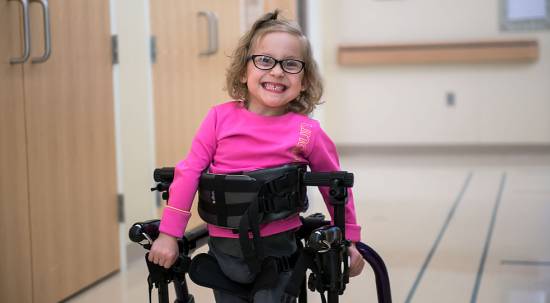
It’s important for you and your family to feel prepared for SDR surgery. SDR surgery reduces muscle spasticity permanently. As a result, your child must learn new patterns of walking and moving. Because the first weeks after surgery are critical for establishing those new patterns, Gillette provides intensive inpatient rehabilitation care following every SDR surgery.
Here are a few resources to help you get ready:
- Download All About Your Rhizotomy Stay, a picture book to help kids understand an upcoming hospital stay.
- Download a Surgery Planning Checklist to help you prepare for your child’s surgery.
- Visit the Gillette Cerebral Palsy Resource Group on Facebook to ask questions, share your experiences and receive support.
- Review tips to prepare for surgery at Gillette.
- Understand the amenities available at Gillette.
Maintain a Healthy Diet, Regular Activity and Good Digestion
Overall health can affect how well and how quickly your child recovers from SDR surgery.
- Exercise: Before surgery, your child should stay as active as possible. Consider focusing on upper-body strengthening, which might help your child’s progress during rehabilitation after surgery—since your child will frequently use their arms to move into various positions.
- Diet: Eating adequate amounts of food with iron, calcium and vitamins C and D (fresh colorful fruits and vegetables, dairy food, and other products with added iron and calcium) is helpful. For six weeks before surgery, increase the amount of protein your child consumes—think meats, dairy products, nuts and eggs. This doesn’t mean your child should eat more food than usual, just more protein. If weight gain is a concern, substitute servings of protein for servings of carbohydrates.
- Bowel Management: When children undergo surgery such as a selective dorsal rhizotomy, constipation can be a significant problem the first few days after surgery. Change in normal activity patterns and diet after surgery can lead to constipation. Anesthesia and pain medicines can also worsen constipation. Having a bowel preparation plan in place can help reduce these issues.
Wean Off Medicines
When scheduling surgery, we ask about the medicines your child takes. Before SDR surgery, your child might need to gradually stop taking some medicines, such as:
- Oral baclofen—must wean off.
- Valproic acid (Depakote)—might need to complete lab work to determine if switching to a different seizure-management medication is an option.
The time needed to wean off a medicine can vary. Your child might need to start the process one week before surgery, several months in advance, or somewhere in between. Talk with the health care provider who prescribes the medicine about this process.
Tell Us About Latex Allergies
Gillette is a latex-free facility, but it’s still important to tell us if your child has a latex allergy or has ever had a severe reaction to latex.
Manage Stress
Sometimes fears, behavior or expectations related to the upcoming surgery cause stress for families. Contact your child’s primary health care provider or Child and Family Services for assistance.
Gillette can help with resources that might help reduce anxiety for all of your family members. Our child life specialists can provide emotional support and distractions (such as toys and movies we can bring to the preoperative waiting area before surgery begins). Child life specialists also can meet with your child’s siblings to address their feelings and concerns.
Schedule Presurgery Appointments
You’ll hear from us several weeks before surgery to schedule several preoperative appointments, which usually occur the day before surgery. Appointments typically include:
- A hospital tour and education session.
- Occupational therapy assessment.
- Fitting for knee immobilizers, which are worn for a while after surgery.
- Fitting for a wheelchair, which is used for a while after surgery.
Plan Ahead for the Return Home
It’s important to plan well in advance for discharge from the hospital to address needs that might arise during—and after—the trip home. We’ll work with you to help make the transition from hospital to home as smooth as possible.
Wheelchair/Mobility Equipment
Your child will use a wheelchair for a while after leaving the hospital. We recommend making some arrangements before the surgery to ensure one is available when it's needed. Sometimes, it takes a while to obtain a child-size wheelchair.
If you don’t own a wheelchair, the rhizotomy team can help arrange to rent one from a local medical equipment vendor. Some insurance policies might require you to rent from a vendor closer to home if you don't live in the Twin Cities metropolitan area. Community physical therapists might also be able to recommend resources nearby.
Your child might also need a walker at home. The rhizotomy team can help arrange to obtain one before leaving the hospital.
Flight Arrangements
If your family is flying to the Twin Cities for SDR surgery and a hospital stay—you should buy plane tickets with some flexibility for the return flight date, if possible. We’ll give you an estimated length of stay before you arrive at the hospital, although sometimes this estimate is adjusted after we start working with your child.
Outpatient Therapy
After leaving the hospital, your child will need physical therapy close to home. Appointments will be five days a week at first, then less frequent as progress continues in the months that follow. You’re encouraged to explore options for physical therapy services in your local community before surgery. Check with your health insurance provider to make sure services at specific locations are covered under your plan.