

flash About Cerebral Palsy
Print Friendly Page

Center for Cerebral Palsy

About Cerebral Palsy

What is cerebral palsy?

Cerebral palsy isn't one condition. Instead, it's a collection of disorders caused by damage to the brain before, during or shortly after birth. Cerebral palsy affects people in various ways, depending on where and to what extent the brain has been injured. In some children, symptoms — including muscles that are too weak or too tight — are apparent at birth. In other children, problems don't become evident until later.

              Back to: Table of Contents

What causes cerebral palsy?

In general, two types of brain damage cause cerebral palsy. The first occurs when the brain develops improperly. The second — and more common — takes place when illness or injury damages a brain that was otherwise developing normally.

Babies who are born prematurely risk developing cerebral palsy. So do children up to a year of age who experience:

  • Interruptions in oxygen or blood flow to the brain
  • Bleeding in the brain
  • Infections of the central nervous system, such as meningitis or encephalitis
  • Illnesses that cause them to go into shock
  • Poisoning from drugs or other toxic substances
  • Physical injuries

Children who experience seizures at or before one month of age might also develop cerebral palsy. Sometimes, it's impossible to pinpoint the factors that cause a specific child to develop cerebral palsy. Very rarely, cerebral palsy is inherited. Unless your child is diagnosed with a genetic form of the disease, however, your risk of having another child with cerebral palsy is very low.

Children older than one year may develop symptoms similar to the symptoms of cerebral palsy if:

  • Their oxygen supply is interrupted
  • They sustain a serious brain injury (usually from trauma)
  • They contract an infection, such as meningitis

Such cases, however, are usually considered traumatic brain injuries rather than cerebral palsy.

              Back to: Table of Contents

Who gets cerebral palsy?

Statistics show that 1.2 to 2.5 of every 1,000 infants born alive will develop cerebral palsy. Low birth weight, brain injuries and other factors are often common to children who have cerebral palsy. Nevertheless, some children who are born at normal weights and who experience no known brain injuries still develop cerebral palsy.

Children with low birth weights

The risk of developing cerebral palsy increases as an infant's birth weight decreases. Infants who are born prematurely at low birth weights — a category that includes most twins and other multiple-birth siblings — are particularly at risk.

That said, the outlook for children born prematurely or at low birth weights has improved considerably. Years ago, few such children lived past infancy. Today, many survive — and new treatments have lowered the incidence of cerebral palsy among them to between 30 and 40 percent.

Newborns with serious illnesses

Full-term infants who experience systemic or neurological illnesses as newborns also have a greater risk of developing cerebral palsy. So do children who:

  • Experience an abnormal neurological exam hours or days after birth
  • Have an Apgar score of less than three at five minutes after birth
  • Experience seizures during the 48 hours after birth
  • Develop severe jaundice (kernicterus)

Infants who need a mechanical ventilator to breathe often have cerebral palsy. Similarly, improper development or anomalies of an organ (often the heart and brain) are associated with conditions that cause cerebral palsy. Neither mechanical ventilators nor organ anomalies, however, cause cerebral palsy.

Children of mothers with certain complications

In addition, cerebral palsy is more common in children whose mothers:

  • Contract certain infections during pregnancy
  • Experience excessive exposure to harmful substances during pregnancy
  • Have blood clots during pregnancy

Other complications of pregnancy — including an interruption of the baby's oxygen supply during labor and insufficient nourishment through the placenta — are also associated with cerebral palsy. In addition, the condition is more common in children whose Rh factors are incompatible with their mothers' (the mother is Rh positive and the child Rh negative, or vice versa).

              Back to: Table of Contents

Can cerebral palsy be cured?

Because brain damage is permanent, cerebral palsy can't be cured. Someone with cerebral palsy will always have some ongoing challenges, such as impaired balance or muscle control.

Proper medical treatment, however, helps manage the condition's symptoms and effects. In addition, the uninjured parts of the brain sometimes learn functions that the damaged parts would have otherwise controlled. The extent of such adaptations depends on the location and extent of the injury.

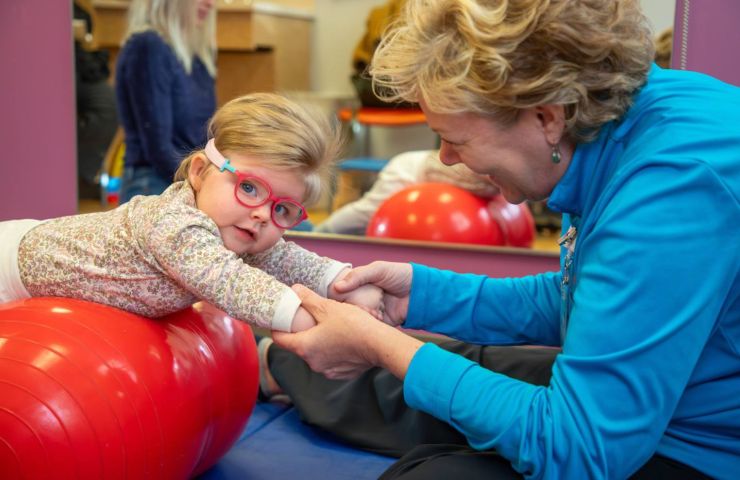
Medical treatment includes therapy, surgery, medication and adaptive equipment. For example, physical and occupational therapy enable people with cerebral palsy to make the most of their motor and perceptual abilities. Braces, walkers, and other orthoses often make walking, writing and even sitting upright easier. Surgery and medication can loosen tight muscles. Adaptive equipment — including wheelchairs with customized environmental controls — enables people with limited muscle control to open doors, turn on lights and operate computers.

Patient on treadmill


Working with speech and language pathologists enables many people to improve their communication abilities. People who have difficulty speaking may learn to use augmentative communication devices. The devices range from simple picture boards to sophisticated, language-based computers.

               Back to: Table of Contents

What are the types of cerebral palsy?

Cerebral palsy is divided into three types, depending on which parts of the body the condition affects.

  • Diplegia affects the legs more than the arms. It's most common in premature babies.
  • Hemiplegia affects one side of the body. It's most common in babies who experience strokes or traumatic brain injuries.
  • Quadriplegia means that cerebral palsy affects the entire body — all four limbs. Quadriplegia is most common in babies whose oxygen supply is interrupted.

By identifying — as early as possible — what type of cerebral palsy someone has, doctors and therapists can prevent or correct some problems and more accurately predict the person's future abilities

              Back to: Table of Contents

What are the effects of cerebral palsy?

The effects of cerebral palsy vary, depending on which part of the brain is damaged and how serious the injury is. Some people have normal intelligence; others have learning disabilities. Some have mild difficulties with movement; others have significant motor-control issues.

The effects associated with cerebral palsy occur in combination, not alone. That interrelation results in:

In addition, an injury that cases cerebral palsy can affect other parts of the brain. Thus, people with cerebral palsy may experience:

  • Associated effects (health and cognitive issues associated with cerebral palsy)
  • Effects of aging (people who have cerebral palsy and other disabilities might experience symptoms of aging earlier than non-disabled people do)

              Back to: Table of Contents

What treatments exist for people with cerebral palsy?

The underlying brain damage that causes cerebral palsy can't be fixed. Treatments can, however, address associated symptoms. For example, physical and occupational therapy help people adapt to balance and motor-control issues. Braces and orthoses help support people with spasticity or low muscle tone. Medication and surgery can help manage spasticity and correct bone and growth issues.

Options for treatment vary, depending on a patient's:

  • Goals
  • Type of cerebral palsy
    Patient with Gait and Motion Analysis Backpack

    Prior to orthopaedic surgery,
    a patient undergoes gait and
    motion analysis
    .   

  • Severity of involvement
  • Underlying strength and control of muscles
  • Overall balance
  • Age, physical health and developmental level
  • Ability to perform daily activities

A family's needs and preferences — and the effect treatment might have on a family — are also vital in determining the best options for each patient.

Treatments may include:

  • Adaptive equipment
  • Braces
  • Casts and splints
  • Injected medications (such as botulinum toxin and phenol nerve blocks)
  • Intrathecal baclofen pumps
  • Occupational therapy
  • Oral medications
  • Orthopaedic surgery
  • Orthoses
  • Physical therapy, including electrical stimulation
  • Selective dorsal rhizotomy surgery
  • Speech and language therapy
  • Stretching and strengthening

The first step: a medical evaluation

Because other disorders mimic the effects of cerebral palsy, anyone experiencing such symptoms should undergo a thorough medical evaluation. Early diagnosis and intervention offer the best chances of avoiding or reducing the severity of related problems. Children should see specialists with pediatric expertise, who can adjust treatments appropriately as patients grow.

A thorough evaluation usually involves:

  • A pediatric neurologist or neurodevelopmental pediatrician, to assess overall abilities, determine possible causes, diagnose a condition and identify a treatment plan
  • A pediatric rehabilitation medicine physician or (for adults) a physical medicine and rehabilitation specialist, to determine whether cerebral palsy affects patients' day-to-day activities (including mobility, ability to care for themselves and ability to receive care from others). The physician orders therapy, recommends orthoses and adaptive equipment, and helps with patients' medical and rehabilitation needs.
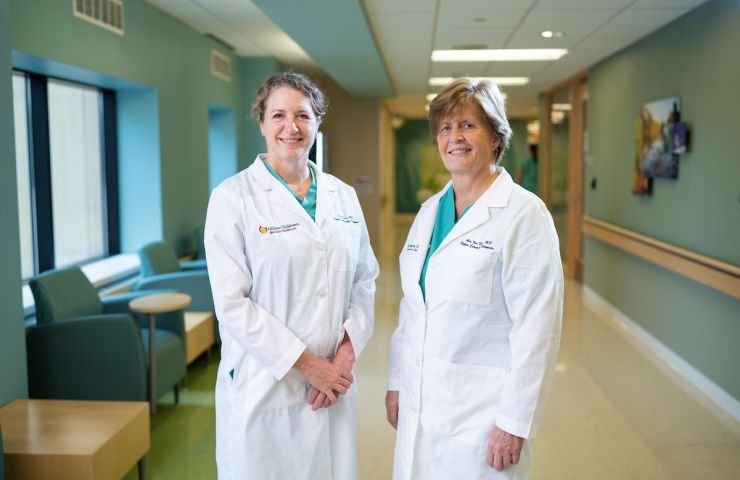
    Dr. Wical with patient
  • An orthopaedic or pediatric orthopaedic surgeon, to determine how cerebral palsy has affected the development of a patient's muscles and bones. In addition to prescribing braces and other orthotic devices, the physician performs surgery to correct muscle contractures and bone deformities. At Gillette, orthopaedic physicians often request a motion analysis examination before developing a treatment plan.
  • An occupational therapist, a physical therapist, and a speech and language pathologist to assess patients' muscle tone, range of motion and abilities. These specialists provide rehabilitation therapy, splints and braces to help people with cerebral palsy make the most of their abilities. At Gillette, therapists also collaborate with community and school personnel to coordinate a patient's care.
  • A pediatric nurse practitioner, to coordinate services for infants and toddlers and to discuss issues such as providing adequate nourishment and obtaining a diagnosis
  • A registered nurse to coordinate services, explain medical recommendations, and educate patients and families about medical procedures
  • A social worker, to answer questions, help patients and families determine their needs and goals, and put patients and their families in touch with appropriate community services. Social workers also help families set realistic expectations and cope with issues related to raising a child with special needs.
  • Child life specialists, who help children and families prepare for surgery and other medical procedures
  • Psychologists, to assess patients' mental abilities and address social and emotional issues
  • An orthotist and assistive technology specialist, to provide custom braces, seating systems and other adaptive equipment

When spasticity is a concern, a referral to Gillette's spasticity evaluation clinic might be appropriate.