 Home Page
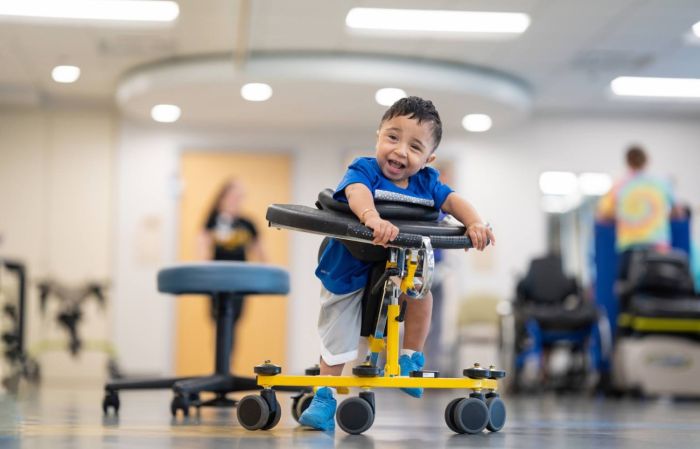
With a prevalence of 2-2.5 per 1000 births, cerebral palsy is the most common physical disability originating in childhood. It is a permanent disorder which affects the development of movement and posture, the physical manifestations of which may change over time.
Cerebral palsy’s root cause is attributed to non-progressive disturbances in the developing fetal or infant brain, which can have environmental or genetic causes.
Diagnostic Criteria for Cerebral Palsy
The diagnostic criteria for a cerebral palsy diagnosis includes a non-progressive brain injury in a child's or infant’s early developmental period (before age 2) that affects physical functioning. If a child displays progressive symptoms, further investigation into root cause is necessary.
Cerebral palsy is often accompanied by disturbances of sensation, perception, cognition, communication, behavior, epilepsy, and secondary musculoskeletal problems.
Newborn Detectable Risks for Cerebral Palsy
There are several risk factors for cerebral palsy to watch for in newborns, which have as much to do with early test results as circumstances surrounding birth. These include:
- Birth before 33 weeks’ gestation
- Need for supplemental oxygen in the NICU
- Intubation or other respiratory support required for longer than 24 hours after birth
- Small for gestational age/intrauterine growth restriction
- Low birth weight (under 1500 grams/3.3 pounds)
- Neonatal seizures
- Abnormal imaging: head ultrasound or MRI
- Any grade brain bleed
- CNS infection in the neonatal period
- Hypoxic ischemic encephalopathy, with or without cooling protocol
- Drug exposure in utero
- Major surgical intervention required in neonatal period
Infant Detectable Cerebral Palsy Risks
In addition to parental concerns about development, the following clinical features in infants past the neonatal stage should prompt a referral to a developmental expert:
- Persistent head lag, hands fisting, and/or persistent asymmetry of movements beyond age four months
- Hand preference before 12 months of age
- Stiffness or tightness in the legs between six and 12 months of age
Warning signs to prompt monitoring include:
- Persistent Moro reflex beyond age six months
- Consistent toe-walking or asymmetric walking beyond 12 months
Why Early Diagnosis of Cerebral Palsy Matters
Early diagnosis of cerebral palsy is critical to optimize functional outcomes. Not only does early diagnosis help to set the minds of parents and caregivers at ease, it also allows for early therapeutic interventions that can work with the neuroplasticity of the developing brain to make progress in areas of movement and function.
Early, active movement and intervention are essential to avoid losing cortical connections and dedicated function. Additionally, an early diagnosis allows for the prompt monitoring – and potential delay or prevention – of musculoskeletal concerns.
Early Intervention for Cerebral Palsy at Gillette Children's
In addition to the Cerebral Palsy Institute, devoted to clinical excellence, research, and advocacy for children who have cerebral palsy, Gillette Children’s now offers a Developmental Evaluation clinic, wherein each patient is assessed for developmental and motor delays by a team of three experts: a pediatric physiatrist, neurologist, and physical or occupational therapist. These three specialists work together to evaluate the unique needs and concerns of each patient, and work with families and primary care providers to develop a patient-centered care plan for each child.
Refer a patient to the experts at Gillette Children's today.
Join Our Partners in Care Community!
Subscribe to Partners in Care Journal, a newsletter for medical professionals.
Subscribe Today