 Home Page
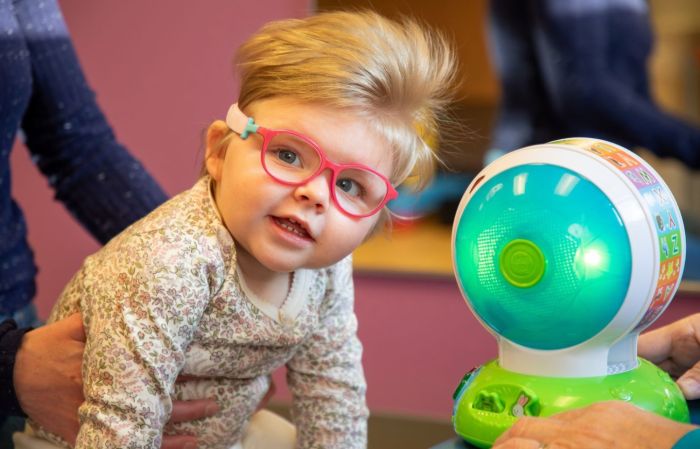
Gillette Children’s Development Evaluation Clinic is a single, coordinated, multidisciplinary evaluation that helps clarify what’s happening for your patient and how you and the patient’s family can help. When an infant or young child shows differences in movement, muscle tone, symmetry, or milestone progression, families look to you to identify developmental delays as early as possible, even amid shortened visits and increasingly complex neonatal histories.
Gillette Children’s Development Evaluation Clinic clinician Nicole Williams Doonan, MD, is keen to offer her expertise, especially when it means earlier treatment for infants and toddlers who have developmental delays or regression.
“At Gillette, we focus on getting infants and toddlers into treatment as early as possible to take advantage of the neuroplasticity of the developing brain. The earlier a child is diagnosed and begins treatment, the better their future function and quality of life,” says pediatric neurologist Dr. Williams Doonan.
Three Specialists, One Visit: Speeding Up Developmental Diagnoses
Unlike traditional referral pathways that may involve several sequential appointments, Gillette’s clinic brings together three specialists for one coordinated visit from pediatric neurology, pediatric rehabilitation medicine (PM&R), and physical or occupational therapy. The full team evaluates the child simultaneously, integrating neurologic, functional, and motor findings in real time. The result, Gillette clinicians say, is a clearer picture of whether a child is developing as expected—and, when they are not, a more direct path forward.
The model reflects a shift towards fulfilling parent expectations in pediatric subspecialty care: fewer handoffs, faster diagnostic clarity, and earlier intervention during a narrow window of neurodevelopmental plasticity.
What to Watch For
Gross motor development progresses from head to foot – head, trunk, extremities – and from proximal to distal. Movements generally become more precise, with primitive reflexes being replaced with more complex movements. In atypical development, this is not always the case. Additionally, if a child regresses in development, they should be urgently referred to a neurologist or specialty clinic like the Gillette Children’s Development Evaluation.
The clinic is designed for children with suspected or evolving physical/motor developmental concerns, including infants and toddlers with risk factors or signs of neuromotor difference.
Common risk factors
Consider referral for children with any of the following histories:
- Prematurity (born before 33 weeks)
- Extended oxygen support in a neonatal intensive care unit or upon discharge
- Abnormal head ultrasound
- Illness at or around the time of birth
- Lack of oxygen to the brain during/after birth (e.g., Hypoxic Ischemic Encephalopathy)
Clinical signs and symptoms prompting referral
The clinic commonly evaluates children with:
- Motor delays (sitting, crawling, walking)
- Muscle tone concerns (high or low tone at rest)
- Loss of previously acquired motor skills
- Coordination issues/clumsiness or difficulty using one/both sides of the body
- Persistent fisted hands
- Persistent head lag that does not improve / difficulty holding head up
- Hand preference before 12 months
- Asymmetry in posture or movement
- Other physical developmental delays or concerns related to movement and physical function
A delayed physical developmental milestone occurs when a child does not achieve an expected skill (e.g., rolling, sitting, crawling, walking) within the typical age range. While some children may “catch up,” and acquire the skill, missed milestones can also be early red flags for more significant neuromotor concerns. Whatever the concern is, it’s better to evaluate the child as early as possible to get them back on track, get a care plan in place, or reassure families there is no need to worry.
Faster Route to Clarity
For families, the clinic offers either reassurance or a personalized treatment plan without months of fragmented appointments. For primary care providers, it offers a streamlined option when developmental questions arise early and answers matter most.
To refer, call (651) 400-2525 or submit Gillette Children’s online referral form.
Note: The clinic does not evaluate autism, behavioral concerns, or speech-only delays.
Why Refer to Gillette Children’s?
When a child needs additional work-up or treatment, families benefit from being evaluated in a system built for pediatric developmental conditions like Gillette. Gillette Children’s is recognized for expertise in evaluating and treating pediatric developmental and motor conditions and helping families reach peace of mind or navigate next steps with a multidisciplinary approach.
Join Our Partners in Care Community!
Subscribe to Partners in Care Journal, a newsletter for medical professionals.
Subscribe Today